Agritourism: Connecting Visitors to Nature and Education

Updated: Sep 29
My relationship with the concept of agritourism was born out of my desire to respond to the growing challenges farmers face in maximizing the profitability of their agricultural businesses.
As a graduate student at West Virginia University, I had the opportunity to work under the mentorship of Dr. Doolarie Singh-Knights, who developed a program focused on helping farmers diversify their income streams. Agritourism was one of the strategies she introduced to farmers as a way to create additional sources of income. This was in 2014, when the concept of agritourism was not nearly as well known or widely discussed as it is today.
Dr. Singh-Knights was also my faculty advisor, which allowed me to learn a great deal from her through both academic and practical mentorship. That experience shaped the way I think about agriculture, farm profitability, and the many opportunities available to farmers beyond traditional production.
Over the years, my understanding of agritourism has continued to grow. I have come to see agritourism as more than just a trend; it is a movement that helps bridge the gap between communities and the agricultural world. As more people become disconnected from nature and from the origins of their food, agritourism provides a meaningful opportunity to reconnect with the land, learn about agriculture and sustainable practices, and develop a deeper appreciation for the people and hard work behind our food systems.
In this blog post, I will explore the essence of agritourism, its benefits to farmers and communities, and how it can help foster a deeper understanding and appreciation of where our food comes from.
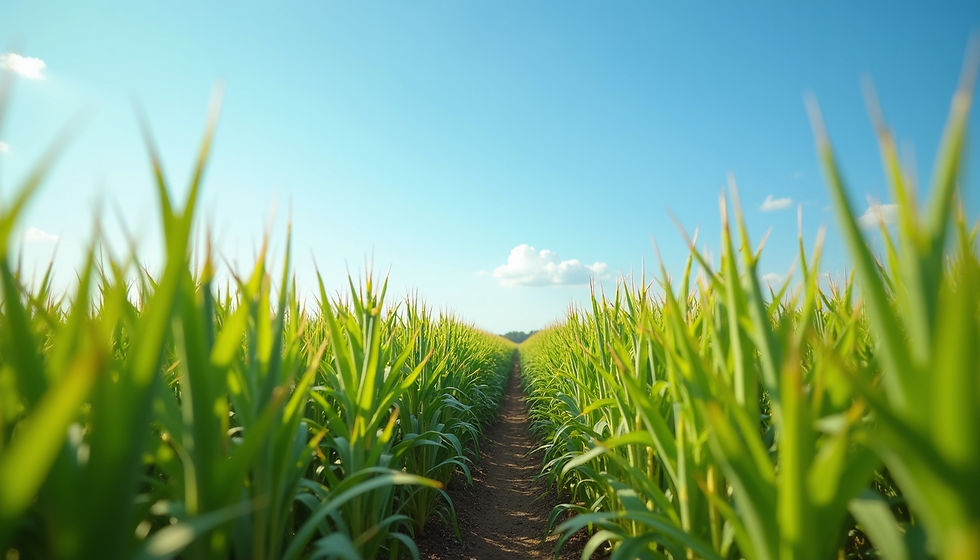
What is Agritourism?
Agritourism refers to any activity that brings visitors to a farm or ranch for recreational, educational, or entertainment purposes. This can include farm stays, tours, workshops, and events that highlight agricultural practices. The primary goal is to provide visitors with a firsthand experience of farming life while promoting local agriculture.
The Rise of Agritourism
In recent years, agritourism has gained popularity as more people seek authentic experiences. According to the American Farm Bureau Federation, agritourism has seen a significant increase, with many farms reporting a rise in visitors. This trend is driven by several factors:
Urbanization: As more people move to cities, they become disconnected from rural life and seek ways to reconnect with nature.
Health Consciousness: There is a growing awareness of the importance of knowing where food comes from and how it is produced.
Sustainability: Many visitors are interested in sustainable farming practices and want to support local farmers.
Regenerative Agriculture: More people are interested in farming practices that restore soil health, biodiversity, and ecosystems while producing food.
Benefits of Agritourism
Agritourism offers numerous benefits for both visitors and farmers. Here are some key advantages:
For Visitors
Educational Opportunities: Visitors can learn about farming practices, crop cycles, and the importance of sustainable agriculture. Workshops and guided tours provide hands-on experiences that enhance understanding.
Connection to Nature: Spending time on a farm allows visitors to appreciate the beauty of nature and the hard work that goes into food production. This connection fosters a greater respect for the environment.
Local Food Experiences: Agritourism often includes farm-to-table dining experiences, where visitors can taste fresh, locally sourced food. This not only supports local economies but also promotes healthier eating habits.
For Farmers
Additional Income: Agritourism provides farmers with a new revenue stream, helping to diversify their income sources. This can be particularly beneficial during off-seasons when crop sales may be low.
Community Engagement: By welcoming visitors to their farms, farmers can build relationships with their communities and promote awareness of local agricultural issues.
Preservation of Traditions: Agritourism helps preserve traditional farming practices and educates the public about the importance of agriculture in our society.
Types of Agritourism Activities
Agritourism encompasses a wide range of activities that cater to different interests. Here are some popular options:
Farm Stays
Farm stays allow visitors to experience life on a working farm. Guests can participate in daily activities such as feeding animals, harvesting crops, and learning about farm operations. This immersive experience provides a unique perspective on rural life.
Educational Workshops
Many farms offer workshops on various topics, including organic gardening, cheese-making, and beekeeping. These hands-on classes not only educate participants but also promote sustainable practices.
Seasonal Events
Seasonal events, such as pumpkin patches, corn mazes, and harvest festivals, attract families and individuals looking for fun outdoor activities. These events often include entertainment, food, and opportunities to purchase local products.
Tours and Tastings
Farm tours provide visitors with insights into the farming process, while tastings allow them to sample fresh produce, wines, or artisanal products. These experiences highlight the connection between agriculture and the food we consume.
How to Choose an Agritourism Destination
When selecting an agritourism destination, consider the following factors:
Location
Look for farms that are easily accessible and offer a variety of activities. Research local farms in your area or plan a trip to a region known for its agricultural offerings.
Activities Offered
Choose a farm that aligns with your interests. Whether you want to learn about sustainable practices, participate in hands-on activities, or simply enjoy the scenery, there are options for everyone.
Reviews and Recommendations
Read reviews from previous visitors to gauge the quality of the experience. Recommendations from friends or travel blogs can also provide valuable insights.
Commitment to Sustainability
Support farms that prioritize sustainable practices and environmental stewardship. This ensures that your visit contributes positively to the local ecosystem.
The Future of Agritourism
As the demand for agritourism continues to grow, farmers are finding innovative ways to enhance their offerings. Here are some trends shaping the future of agritourism:
Technology Integration
Farmers are increasingly using technology to improve visitor experiences. This includes online booking systems, virtual tours, and interactive apps that provide information about farming practices.
Focus on Wellness
Many agritourism destinations are incorporating wellness elements, such as yoga classes in scenic settings, farm-to-table dining experiences, and workshops on healthy living. This trend appeals to visitors seeking relaxation and rejuvenation.
Collaboration with Local Businesses
Farmers are partnering with local businesses to create unique experiences. This can include collaborations with chefs for special events, partnerships with local artisans, and joint marketing efforts to attract visitors.
Conclusion
Agritourism is a powerful way to connect visitors to nature and education. By engaging with farms and understanding the intricacies of food production, individuals can foster a deeper appreciation for agriculture and the environment. Whether you are looking for a weekend getaway or an educational experience, agritourism offers something for everyone.
As you plan your next adventure, consider exploring the rich world of agritourism at Kabongo Farm and other farms embracing this model. Not only will you enjoy a unique and meaningful experience, but you will also support local farmers and contribute to more sustainable and regenerative food systems. Embrace the opportunity to learn, connect with the land, and develop a deeper appreciation for the people and practices that sustain our food system.


Comments