One Human Family: Why Our Shared Ancestry Matters
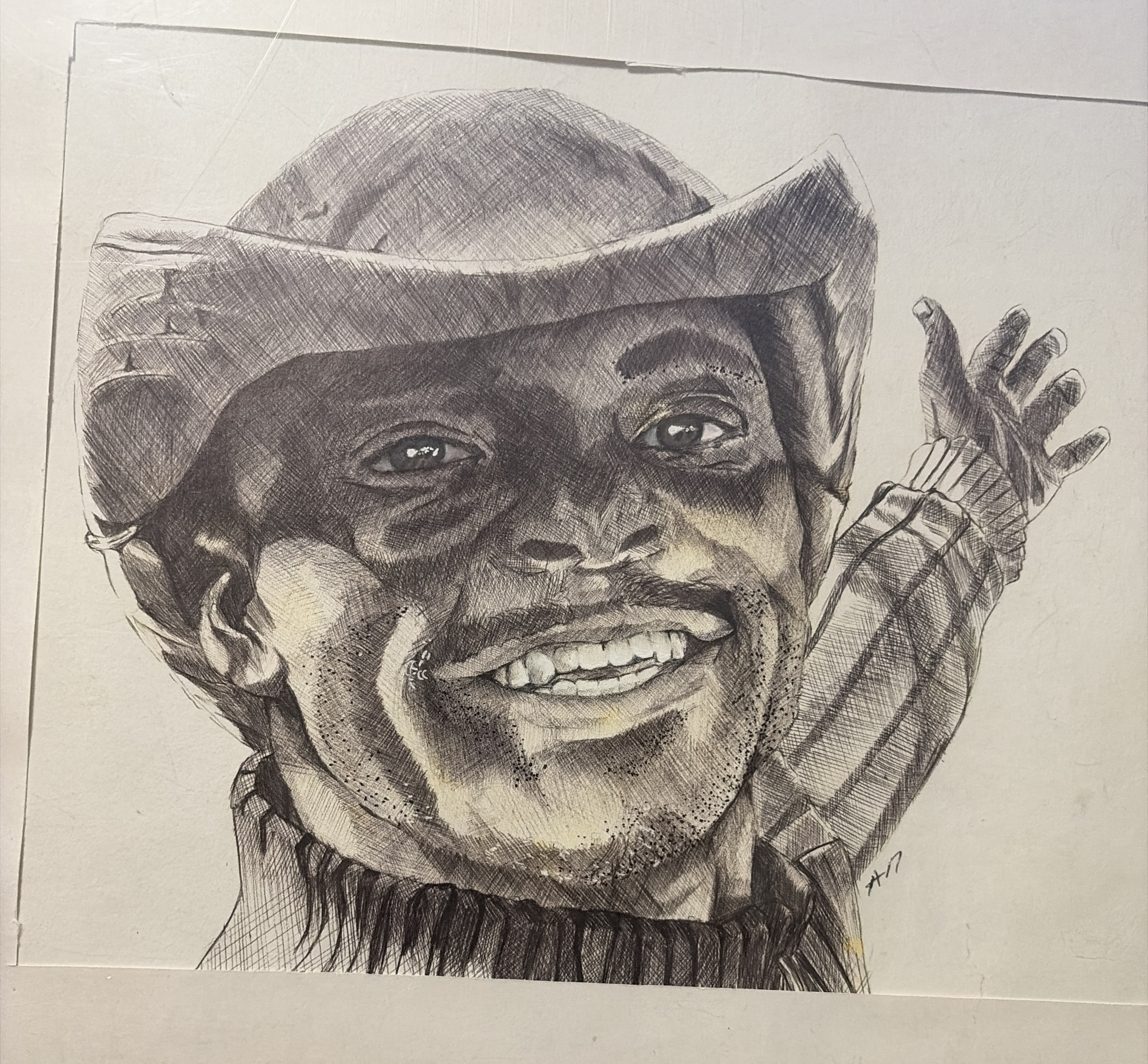
Before I became a son, I was someone’s descendant.
Before I had a name, there were people whose names had already traveled through generations. Before I had dreams, there were people who dreamed for their children. Before I ever thought about building a home, there were people who searched for land they could call home.
Before I ever wondered about purpose, there were people whose lives had already been shaped by survival, faith, family, work, migration, loss, courage, and hope.
If Chapter One is about the door through which I entered the world, Chapter Two is about the door I had to open behind me.
I had to look backward before I could fully understand why I was looking forward.

The question behind every family story
“Who came before me?” sounds like a simple question. It is not.
It can begin with names, dates, places, and old photographs. It can move through family stories told at kitchen tables, records tucked away in drawers, or memories carried by elders who know more than they have ever been asked.
But if we stay with the question long enough, it becomes deeper.
Who survived so I could live?
Who prayed, worked, moved, endured, or sacrificed before I ever took my first breath?
Who carried a family name through hard seasons?
Who lost a home, crossed a border, learned a new language, buried someone too soon, started again, or held on when letting go would have been easier?
Ancestry is not just about where a family came from. It is about how a life arrived.
The stories behind us do not explain everything about us. We still make choices. We still carry responsibility. We still become who we decide to become. Yet the past gives context. It helps us see that we are not random. We are connected.
Every person stands at the front edge of a long line of human beings who lived before them. Some are remembered by name. Some are lost to time. Some made choices we honor. Some made choices we wish had been different. Still, their lives form part of the road that led to ours.
That awareness can humble us. It can also heal us.
We belong to one human family
There is something I wish more of us were taught early in life: modern human beings belong to the same species, Homo sapiens.
We are one human family.
Science tells us that our species originated in Africa and that human populations migrated across the world over many thousands of years. As people moved, adapted to different environments, and became separated by geography and culture, human populations developed different physical traits.
Skin color changed. Hair texture changed. Facial features changed. Bodies adapted to climate, sunlight, altitude, diet, and environment.
But difference is not separate humanity.
Skin color does not create another species. Geography does not create another species. Language does not create another species. Culture does not create another species.
We are human beings first.
That truth matters because so much harm has come from forgetting it. Human beings have often turned ordinary differences into reasons for pride, fear, violence, or control. We created categories. We created hierarchies. We created systems that said one group was superior and another was less worthy.
We used appearance, religion, language, land, class, and ancestry as tools of separation.
History shows what happens when people stop seeing others as fully human. Families are broken. Nations are wounded. Faith is twisted. Power becomes cruel. People who share the same human origin begin treating one another like strangers.
Our shared ancestry does not erase real differences. It gives those differences a better place to stand. Culture can be honored without becoming an idol. Heritage can be celebrated without becoming a weapon. Identity can be meaningful without demanding superiority.
To say we are one human family is not to flatten the beauty of the world. It is to tell the truth about the ground beneath all of us.
Faith gives this truth a spiritual weight
As a Christian, I understand human origin through more than science. I also understand it through Scripture.
Humanity comes from one Creator.
That belief changes how I see people. It means every person carries dignity before they carry a label. Every person has worth before they prove usefulness. Every person belongs to God before they belong to a nation, tribe, party, or social class.
For me, this is not only an idea. It is personal. It shapes how I understand family, justice, mercy, and purpose.
If God is Creator, then human dignity is not something society grants. It is something society is called to recognize. It cannot be earned by wealth, education, citizenship, beauty, power, or popularity. It is already present.
That belief also challenges me. It does not allow me to love only people who look like me, worship like me, vote like me, speak like me, or come from places I understand. It calls me to see the image of God in people whose stories are different from mine.
It also calls me to tell the truth about history.
Faith should not make us afraid of the past. It should give us the courage to face it. Some family stories include pain. Some national stories include injustice. Some religious stories include failure. Looking backward can uncover beauty, but it can also uncover grief.
Both deserve honesty.
A mature faith does not need a polished version of history. It can stand in the presence of truth because grace is not fragile.
Looking backward can teach us how to move forward
When I think about those who came before me, I do not imagine perfect people. I imagine human beings.
They had fears. They made mistakes. They carried burdens I may never fully know. They lived in times with limits I may never fully understand. Some had choices. Some had very few. Some built. Some fled. Some stayed. Some were forced to go. Some passed down strength. Some passed down wounds.
That is part of inheritance too.
We inherit more than names. We inherit stories, habits, silences, prayers, warnings, patterns, and possibilities. We inherit questions that were never answered. We inherit resilience from people who had to keep going. We may also inherit pain from things that were never healed.
Looking backward does not mean living in the past. It means refusing to walk into the future without understanding what shaped the road.
There are questions worth asking:
What did my family have to survive?
What values were passed down to me?
What wounds were never named?
What stories have been preserved?
What stories were lost?
What am I responsible for carrying forward?
What am I responsible for ending?
These questions are not always easy. They can unsettle simple versions of who we thought we were. They can reveal courage in places we never looked. They can also reveal silence where truth should have been spoken.
But the work matters.
A person who knows where they come from can stand with greater humility. A person who understands family struggle can become more compassionate toward the struggle of others. A person who recognizes their own inherited complexity may become slower to judge someone else’s.
That is one reason shared ancestry matters. It teaches us that no life begins alone.

Our differences tell a story of movement and adaptation
Human variety is often treated as a reason for division. It should also remind us of movement.
People moved because of hunger, climate, trade, war, curiosity, faith, persecution, opportunity, and love. They moved because they were forced. They moved because they were searching. They moved because staying was no longer possible.
Every migration carried a cost. People left familiar land, familiar graves, familiar food, familiar songs, familiar skies. Some left by choice. Others left in chains. Some crossed oceans with hope. Others crossed them in terror. Some arrived as settlers. Some arrived as refugees. Some were brought against their will.
The human story is not one clean line. It is full of crossings.
Those crossings shaped families and nations. They shaped languages, music, food, faith traditions, and communities. They also shaped conflict, inequality, and memory.
In the United States, this truth is especially visible. The country holds many ancestry stories at once: Indigenous peoples with deep roots in the land, descendants of enslaved Africans, immigrants from Europe, Asia, Latin America, the Middle East, and many other places, refugees fleeing danger, and families still searching for stability.
These stories are not the same. They should not be blended into one simple narrative. Each deserves care.
At the same time, all of them belong to the larger human story. Every group carries both particular history and shared humanity. Holding both truths together helps us resist two mistakes.
The first mistake is pretending differences do not matter.
They do matter. Culture, history, ancestry, and lived experience shape how people move through the world.
The second mistake is pretending differences matter more than humanity.
They do not.
We can honor the particular without losing the universal. We can say, “This is my people’s story,” while also saying, “I am part of the human family.”
Remembering should make us more responsible
Ancestry is not only about pride. It is also about responsibility.
If I honor those who came before me, I must ask what kind of ancestor I am becoming. One day, someone may look backward and find my life in the story behind theirs. They may not know every detail, but they will live with the effects of choices made before them.
That thought makes ordinary life feel sacred.
The way we speak about others matters. The way we treat family matters. The way we handle conflict matters. The way we tell history matters. The way we welcome strangers matters. The way we challenge injustice matters. The way we preserve memory matters.
We are always leaving something behind.
Some people leave land. Some leave debts. Some leave recipes. Some leave songs. Some leave trauma. Some leave faith. Some leave courage. Some leave a warning. Some leave a blessing.
Most of us will leave a mixture.
The work is to become more aware of what we carry and more intentional about what we pass on.
That may mean asking elders for stories while there is still time. It may mean writing down names, dates, and places. It may mean preserving photographs. It may mean researching family history with humility. It may mean telling the truth about painful chapters.
It may also mean repairing what can be repaired.
Some inherited patterns should not be passed down. Silence around abuse, prejudice, bitterness, shame, addiction, hatred, or fear does not become holy because it is old. Every generation has the chance to bless the next one by refusing to repeat what harmed the last one.
To remember well is not to worship the past. It is to learn from it.
Shared ancestry can change how we see one another
The phrase One Human Family: Why Our Shared Ancestry Matters is more than a title. It is a way of seeing.
It asks us to look at strangers with deeper imagination.
The person across from me did not appear out of nowhere. They, too, came through generations. They, too, carry names, losses, migrations, hopes, and histories. They, too, had people who dreamed before them. They, too, belong to a story older than memory.
This does not make every conflict disappear. It does not erase wrongdoing. It does not remove the need for justice, boundaries, or truth.
But it can change the posture of the heart.
It becomes harder to despise people when we remember that they are not categories. They are descendants. They are image-bearers. They are part of the same human story, even when their branch of that story differs from ours.
A more humane world begins with a more truthful memory.
We need the courage to say that human beings are diverse. We also need the courage to say that diversity never cancels shared dignity.
We need histories that tell the truth about harm. We also need hope strong enough to imagine repair.
We need to know where we came from. We also need to ask where we are going.
The door behind us
Chapter Two begins with a door behind me.
When I open it, I do not find a perfect past. I find people. I find survival, faith, family, work, migration, loss, courage, and hope. I find choices that shaped me before I knew I was being shaped. I find stories that remind me I belong to something larger than myself.
I also find a call.
Look backward with honesty. Look forward with purpose. Remember the dead. Honor the living. Protect the dignity of every person. Tell the truth. Break harmful patterns. Carry what is good. Leave a blessing.
Before I became a son, I was someone’s descendant.
And one day, if my life is remembered at all, I hope it helps someone behind me understand that they were never alone.


Comments