1989 The Year the World Changed Forever
Imagine waking up on January 1, 1989, with no warning of what the next twelve months would bring.
You would not know that the Berlin Wall would fall before the year was over. You would not know that governments that seemed permanent would begin to collapse. You would not know that millions of people would fill streets, squares, churches, and border crossings demanding change.
You would not know that a young scientist at CERN would propose an idea that would one day become the World Wide Web. You would not know that earthquakes, environmental disasters, wars, political upheavals, and historic elections would reshape the headlines.
You would not know that the Cold War, which had shaped international politics for generations, was moving toward its final chapter.
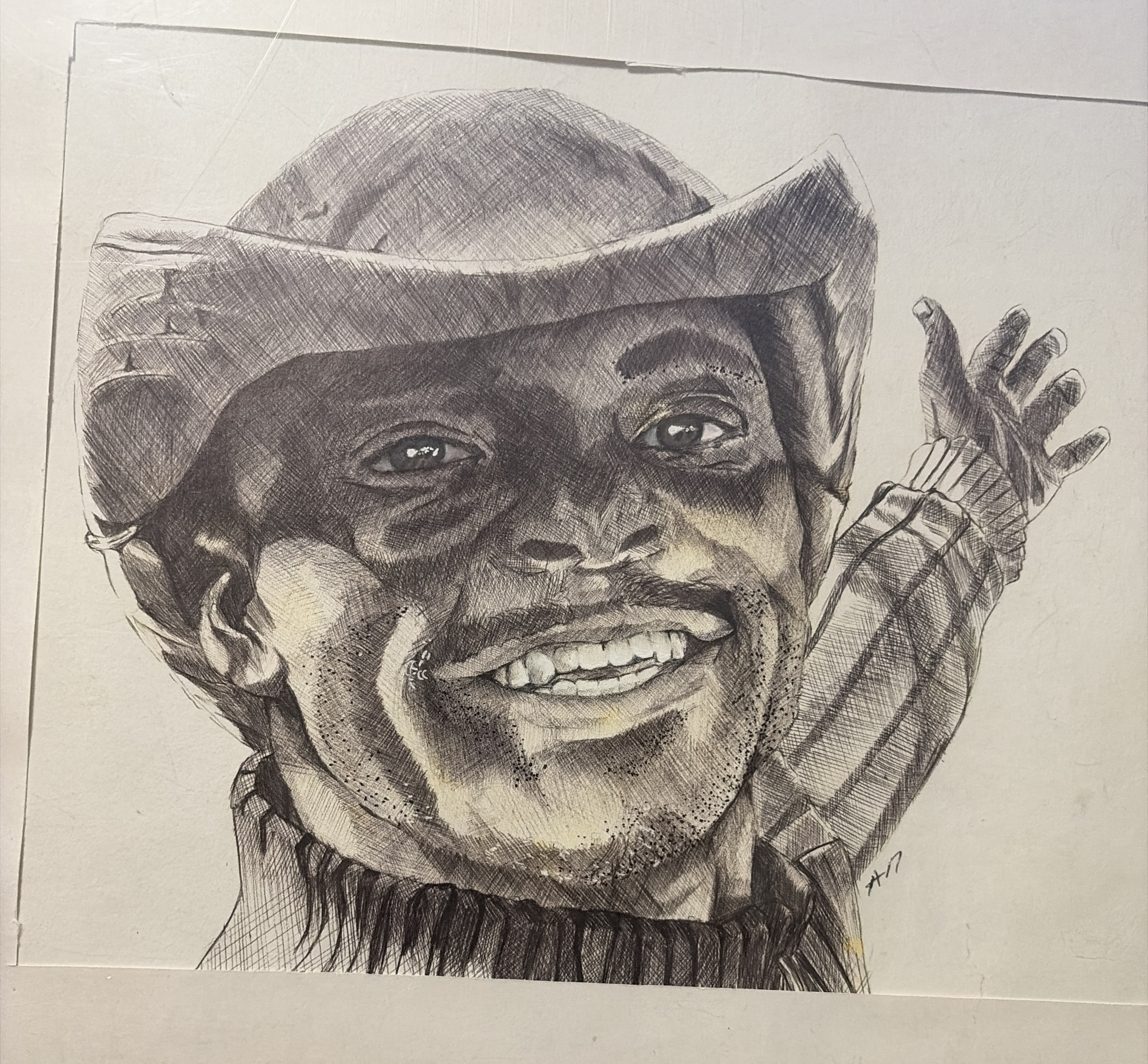
And you certainly would not know that in the early morning hours of May 30, a premature baby would enter the world in Kinshasa.
That baby was me.

A world that was starting to turn
1989 was the final year of the 1980s, but it felt like more than the end of a decade. It was the beginning of an ending.
Across Eastern Europe, systems that had appeared immovable began to move. In Poland, the Solidarity movement gained political ground after years of struggle. In Hungary, leaders opened the political system and began removing barriers that had divided the country from the West. In Czechoslovakia, the Velvet Revolution would bring Communist rule to a rapid and peaceful end.
Then came Berlin.
On November 9, 1989, East German authorities announced new travel rules. Thousands of people gathered at the Berlin Wall. Border guards, unclear on their orders and overwhelmed by the crowd, opened the gates. People poured through. Families reunited. Strangers embraced. Germans from both sides celebrated together.
The wall that had symbolized division for nearly three decades began to come down by the hands of ordinary people.
The world watched in disbelief. Something that had looked permanent suddenly looked temporary.
That is one of the great lessons of history: what looks unshakable can change faster than anyone expects.
The Cold War began to lose its grip
For much of the second half of the 20th century, the Cold War shaped the way nations saw one another. It influenced military decisions, economic systems, foreign policy, sports, science, and culture. The United States and the Soviet Union stood at the center of a divided world.
By 1989, that division was weakening.
Soviet leader Mikhail Gorbachev had introduced reforms known as glasnost and perestroika. These policies encouraged more openness and economic restructuring, though they also exposed deep problems in the Soviet system. Across Eastern Europe, people sensed that Moscow would no longer respond to every challenge with tanks and force.
That shift mattered. It changed what people believed was possible.
In country after country, citizens tested the limits of power. Workers organized. Students marched. Churches became meeting places. Writers, dissidents, and activists found wider audiences. The courage had been there for years, but 1989 gave it a historic opening.
The Cold War did not end in a single day. It had many turning points. But 1989 made clear that the old order could not hold in the same way.
The fear that had governed so much of the world began to loosen.

People moved before leaders could catch up
The story of 1989 is often told through presidents, party leaders, and official announcements. Those mattered, but the deeper story belongs to ordinary people.
People stood in public squares when it was dangerous to be seen. People crossed borders that had once been deadly. People demanded free elections, open speech, and the right to live without constant fear.
In China, students and citizens gathered in Tiananmen Square in the spring of 1989, calling for political reform and greater freedoms. The protests drew worldwide attention. In June, the Chinese government used military force to end the demonstrations. The images and memory of that moment remain among the most painful and powerful reminders that demands for change can meet brutal resistance.
In South Africa, 1989 brought another sign of change. F. W. de Klerk became president, and the apartheid system entered a period of mounting pressure and negotiation. Nelson Mandela would be released the following year, but 1989 helped set the stage for that historic turn.
In Chile, democratic change continued after the 1988 referendum that rejected another term for Augusto Pinochet. The country moved toward elections and a civilian government.
These events differed in cause, outcome, and cost. Some brought celebration. Some brought grief. Some opened doors slowly. But together they showed a world in motion.
Powerful systems were being questioned by people who had been told to stay quiet.
Disasters reminded the world of its fragility
Not all of 1989 was political transformation. The year also carried tragedy.
On March 24, the Exxon Valdez oil tanker struck Bligh Reef in Alaska’s Prince William Sound. The spill released millions of gallons of crude oil into a fragile environment. Images of oil-covered birds and damaged coastlines shocked the public. The disaster became a defining environmental event and changed how many people thought about corporate responsibility, regulation, and ecological risk.
In October, the Loma Prieta earthquake struck Northern California. It hit during the World Series, which meant millions of viewers saw the disruption unfold on live television. Roads collapsed, buildings suffered heavy damage, and communities faced sudden loss.
There were also wars and conflicts that did not stop for the promise of a new era. The Soviet-Afghan War ended in 1989 as Soviet troops completed their withdrawal from Afghanistan, but the country’s suffering continued. In other places, violence and instability reminded people that history rarely moves in a straight line.
The year brought hope, but it did not bring peace everywhere.
That is part of why 1989 remains so powerful. It was not a simple victory story. It was a year of openings, shocks, courage, loss, and uncertainty.
The future arrived quietly at CERN
While crowds were changing the political map of Europe, another kind of change began almost quietly.
In March 1989, British scientist Tim Berners-Lee, working at CERN in Switzerland, proposed a system for sharing information across computers. His idea would grow into the World Wide Web.
At the time, it did not look like a world-changing public event. There were no crowds tearing down walls. No dramatic scenes at border crossings. No televised revolution.
But the proposal carried a different kind of power. It imagined a way for information to connect across distance. Over time, the web would change how people learn, work, organize, shop, publish, remember, and speak to one another.
The same year that old walls began to fall, a new networked world began to form.
That contrast makes 1989 The Year the World Changed Forever feel almost symbolic. In one part of the world, concrete barriers were coming down. In another, invisible links were beginning to connect people in ways few could yet understand.

My own beginning in Kinshasa
While the world shifted on television screens and newspaper pages, my story began in Kinshasa.
I was born prematurely in the early morning hours of May 30, 1989. Like every birth, mine was both ordinary and extraordinary. Ordinary because babies are born every day. Extraordinary because every life begins inside a moment it did not choose.
I did not know about Berlin, Warsaw, Prague, Beijing, Johannesburg, Santiago, Alaska, California, or Geneva. I did not know about walls, oil spills, earthquakes, elections, protests, or computer networks.
I only entered the world.
That is one reason 1989 feels personal to me. It was not only a chapter in history books. It was the year my own clock started. While nations were asking what kind of future they wanted, my family was facing the immediate questions that come with a fragile new life.
Would I survive? Would I grow strong? What kind of world was waiting for me?
No one could answer fully. That is how history works. It surrounds us long before we understand it.
A person born in 1989 inherited a world between eras. The old Cold War map was fading. The digital age was approaching. Globalization was speeding up. New freedoms were emerging, but old wounds remained open. The future felt possible and unstable at the same time.
To be born in that year was to arrive at a crossroads.
Why 1989 still matters
Looking back, it is tempting to treat 1989 as a finished story. The wall fell. Communist governments collapsed. The web was born. The decade ended.
But the meaning of 1989 is still unfolding.
The fall of the Berlin Wall did not end division. It showed that division can be challenged. The growth of democracy in some countries did not make democracy permanent. It showed that democratic life requires courage, memory, and care. The birth of the web did not automatically make people wiser or freer. It gave humanity a tool, and tools reflect the hands that use them.
The year also warns against certainty. At the start of 1989, many experts did not expect Eastern Europe to change so quickly. Many citizens living under strict systems did not know how soon cracks would appear. Many people using early computers did not imagine that a proposal at CERN would one day shape daily life across the planet.
History often looks clear only after it happens.
The people living through 1989 did not have the comfort of hindsight. They made choices amid confusion. They took risks without knowing the ending. They stepped into streets, opened borders, signed documents, recorded events, mourned losses, and carried newborn children into an uncertain world.
That is why the year still speaks.
It reminds us that large changes often begin before most people recognize them. They begin in private doubts, quiet conversations, small acts of courage, and ideas that seem too early for their time.

The lesson of a year that changed everything
1989 was not just another year on the calendar. It was a hinge.
It connected the divided world of the Cold War to the uncertain world that followed. It carried the sound of crowds at the Berlin Wall, the silence after violence in Tiananmen Square, the alarm of environmental disaster in Alaska, the shock of an earthquake in California, and the quiet beginning of the World Wide Web.
It also carried ordinary human beginnings, including mine.
That matters because history is never only about nations and leaders. It is also about families, births, fears, hopes, and the million private lives moving through public events.
On January 1, 1989, no one knew exactly what was coming. By December 31, the world had changed in ways that still shape us.
The lesson is simple, but easy to forget: the future can turn quickly. Walls can fall. Systems can crack. New ideas can travel farther than anyone expects. And somewhere, in the middle of it all, a child can be born into a world already becoming something new.


Comments